
The Wikipedia bias controversy has exploded into mainstream politics, with powerful Republicans launching a formal investigation into the world’s most popular encyclopedia. Therefore, this Wikipedia bias controversy represents much more than partisan politics—it’s a battle for control over how information gets shared in our digital age.
Republican Representatives James Comer and Nancy Mace just fired the opening shot in what could become a prolonged fight over online neutrality. But here’s what’s really happening behind the headlines.
What’s Actually Going Down: The Wikipedia Bias Investigation
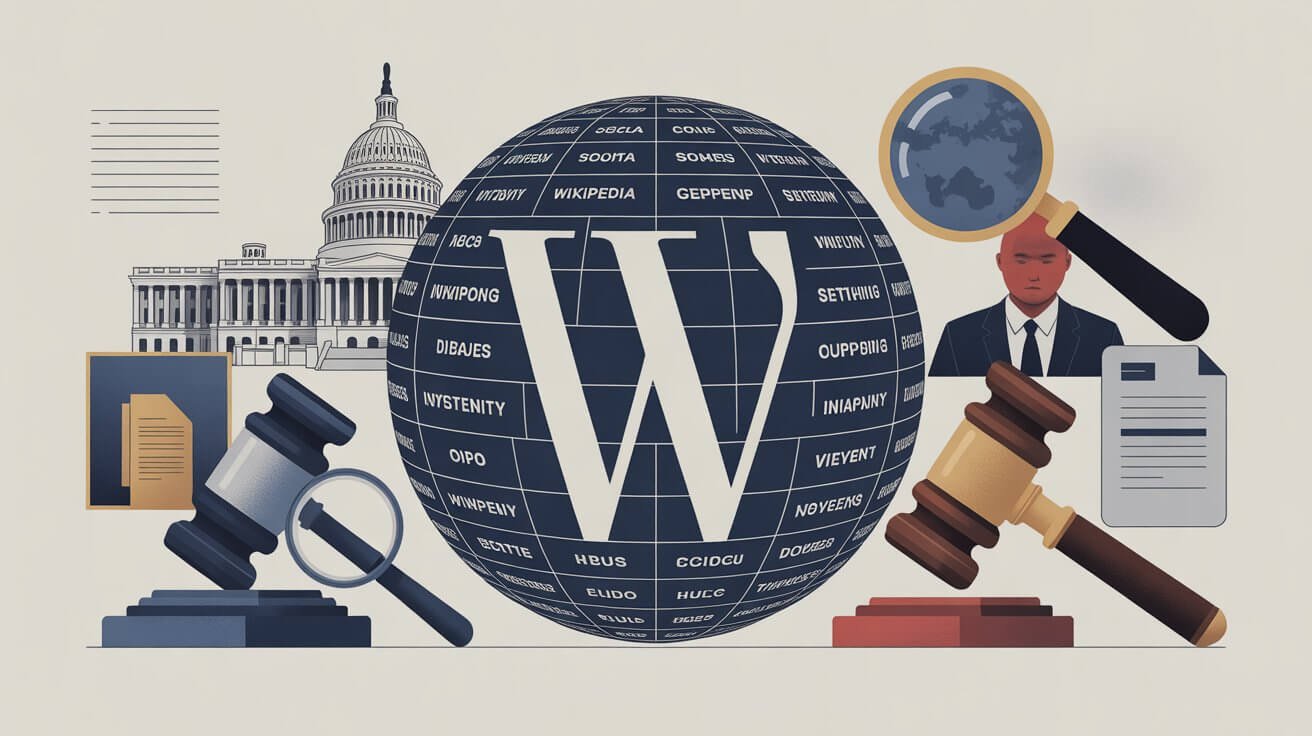
On August 27, 2025, two prominent Republicans—Rep. James Comer (R-Kentucky) and Nancy Mace (R-South Carolina)—announced plans to probe Wikipedia through the Committee on Oversight and Government Reform. Their target? Alleged organized efforts to inject bias into Wikipedia entries and the organization’s responses.
Furthermore, this isn’t just Republicans complaining about liberal bias. The committee is investigating “foreign operations and individuals at academic institutions subsidized by U.S. taxpayer dollars to influence U.S. public opinion“. Additionally, they want documents showing which volunteer editors violated Wikipedia’s policies.
The timing isn’t coincidental. Elon Musk recently dubbed Wikipedia “Wokepedia” and urged his followers to “defund” the platform “until balance is restored”. Meanwhile, the Heritage Foundation—architects of Project 2025—reportedly plans to identify Wikipedia editors using facial recognition software and hacked password databases.
The Israel Bias Claims That’s Driving Everything
Here’s where the Wikipedia bias controversy gets really interesting. The congressional letter specifically mentions “troubling questions about potentially systematic efforts to advance antisemitic and anti-Israel information in Wikipedia articles related to conflicts with the State of Israel”.
The Anti-Defamation League released a report claiming it identified a network of Wikipedia editors who appear to have coordinated to “circumvent Wikipedia’s policies to introduce antisemitic narratives, anti-Israel bias, and misleading information”. However, Wikipedia responded that the ADL’s report includes “unsupported and problematic claims” that are “not supported by the Anti-Defamation League’s data”.
Why Tech Billionaires Are Fighting Wikipedia’s Alleged Bias
The Wikipedia bias controversy has attracted some unexpected allies. Joining Musk in his criticism are venture capitalists Chamath Palihapitiya and Shaun McGuire, who have claimed that “Wikipedia lies” and that “Wikipedia has been ideologically captured for years”.
But there’s a business angle here too. Many of these prominent figures have presented their businesses as an alternative to Wikipedia, “which certainly, if it were to materialize, could be enormously profitable for them”. In other words, “Elon Musk wants Twitter to be the source of truth online”.
How Wikipedia Actually Works (And Why That Matters)
Most people don’t realize how Wikipedia’s editing system functions. As of 2021, there were nearly 140,000 active editors, the vast majority of whom are volunteers. Moreover, pages about politically sensitive topics like the Israel-Palestine conflict or the Russia-Ukraine war are subject to extended-confirmed protection, meaning that only Wikipedia editors who have had an account for over 30 days and have made over 500 edits can directly touch them.
Nevertheless, the platform isn’t perfect. Research shows that Wikipedia articles edited by large numbers of editors with opposing ideological views are at least as neutral as other similar sources, but articles with smaller edit volumes by fewer—or more ideologically homogeneous—contributors are more likely to reflect the editorial bias of those contributing.
The Bigger Picture: Information Bias Control in 2025
This Wikipedia bias controversy fits into a larger pattern. Conservative forces have sought to take control of the information ecosystem in which we all live. In the case of social media, you can buy an existing platform (say, Twitter) or, in the case of Trump, simply start your own. In the case of public broadcasters like PBS and NPR, you can defund them.
But Wikipedia presents a unique challenge. When it comes to open-source and decentralized information resources like Wikipedia, however, it appears the plan may be to find evidence of a nefarious conspiracy that justifies reworking the platform to your liking.
Importantly, Wikipedia co-founder Jimmy Wales has made clear that his site is not for sale. Responding to Musk’s post about defunding Wikipedia, Wales said: “I think Elon is unhappy that Wikipedia is not for sale. I hope his campaign to defund us results in lots of donations from people who care about the truth”.
What This Bias Controversy Means for You
The Wikipedia bias controversy isn’t just political theater—it could fundamentally change how we access information online. Consider these implications:
Search Impact: Wikipedia accounts for appearing in 90% of searches happening on search engines, making its impact huge. Therefore, any changes to Wikipedia’s neutrality policies could affect what information millions of people see daily.
Privacy Concerns: The GOP investigation seeks to reveal the identities of Wikipedia editors, essentially asking Congress for Wikipedia to “dox” many of its editors. Furthermore, “In the culture of Wikipedia editing, it is common for individuals to use pseudonyms to protect their privacy and avoid personal threats”.
Precedent Setting: If Congress successfully pressures Wikipedia to change its editorial policies, other information platforms might face similar investigations.
The Road Ahead
Wikipedia’s response has been measured so far. A Wikimedia Foundation spokesperson confirmed that they received the letter from Congress and said they will cooperate with the process, stating: “We welcome the opportunity to respond to the Committee’s questions and to discuss the importance of safeguarding the integrity of information on our platform”.
However, critics see this as part of a broader censorship effort. Coming amid the Trump administration’s crackdowns against campus protests and efforts to deport immigrants over pro-Palestine speech, critics have described the House Republican investigation as the latest GOP attempt to censor criticism and the spread of unflattering information about Israel.
What’s Next?
The Wikipedia bias controversy will likely intensify over the coming months. Republicans have requested extensive documentation, including records of accounts, including IP addresses, registration dates, and user activity logs, for editors subject to disciplinary actions by the Arbitration Committee.
Meanwhile, Wikipedia has long faced accusations of political bias, with the right-leaning Manhattan Institute releasing a report in 2024 that found Wikipedia entries are more likely to attach a negative sentiment to right-leaning terms.
The outcome could reshape not just Wikipedia, but the entire landscape of online information sharing. As the battle intensifies, one thing’s clear: the fight over who controls information in America is just getting started.